
San Diego waterfront · July 25, 2026 · Part two of a two-morning reflection
I ended my last post talking about choosing to talk to the sun instead of singing in the rain – about helping someone find their light rather than just weathering the storm beside them. I didn’t know the sky itself was about to hand me the next lesson.
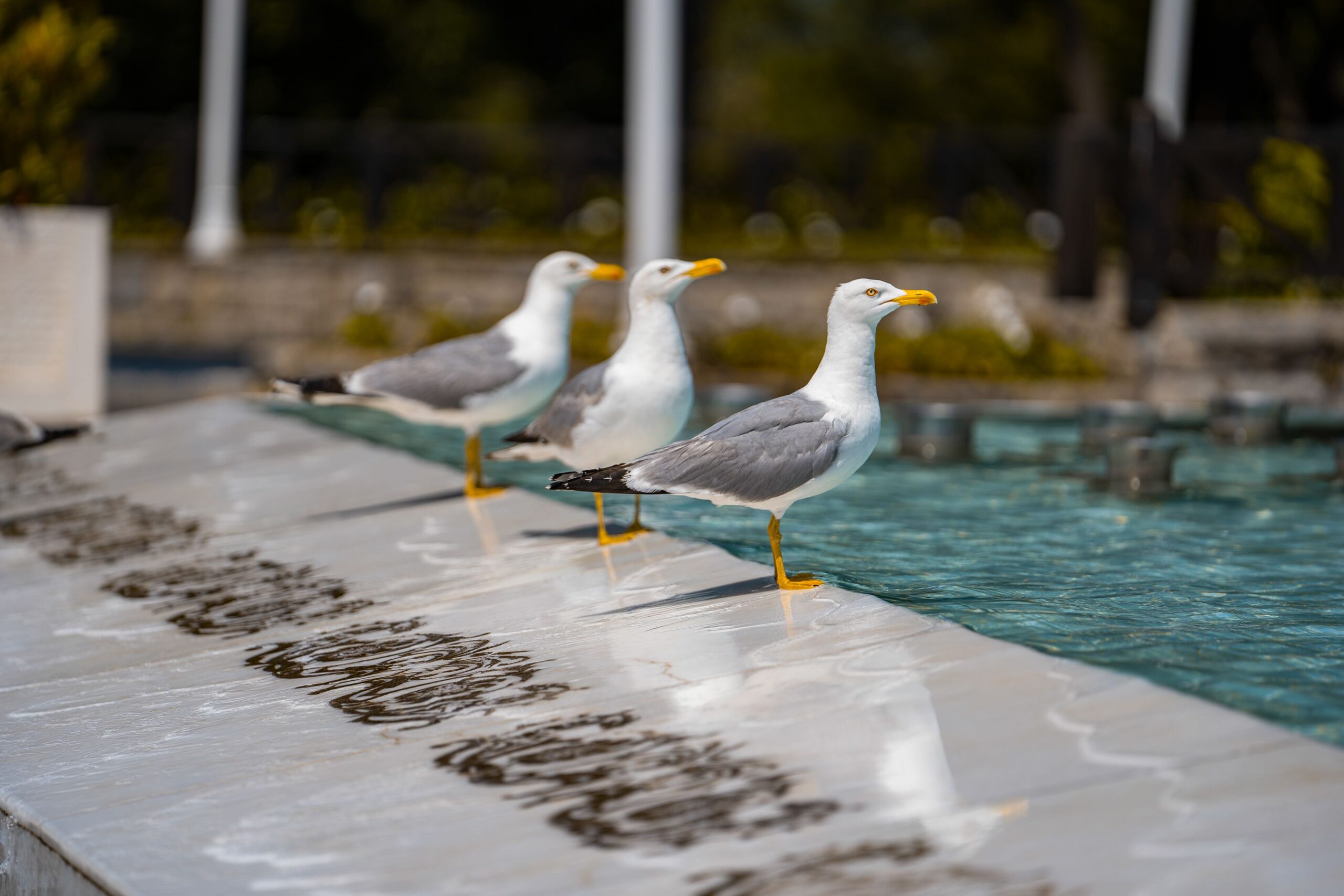
This morning I was woken up by seagulls. Not the usual background squawk – cackling, loud, relentless, right outside my window. I had no idea what was going on until I remembered yesterday.
Then this morning it happened again – right in front of my own house. Clacking, diving, the whole display. That’s when I stopped and looked into it.
Turns out this is fledgling season. Chicks leave the nest almost as soon as they hatch and spend weeks wandering on the ground nearby, learning to fly before they actually can. During that window, gulls that swoop suddenly on people are almost always defending a chick that’s fallen out of or left the nest, and the behavior stops once the person moves away. [1] It typically eases within a few weeks of fledging, which lines up almost exactly with what I’m seeing right now, at the tail end of July. [2]
There’s a fledgling somewhere close by, still finding its wings, and an entire community of birds decided that protecting it was everyone’s job. Not just one set of parents. The whole flock. No committee meeting, no debate about whose responsibility it was – just instant, collective, loud action.
That took me straight back to Jonathan Livingston Seagull, the old story about a seagull who wasn’t content just surviving, who pushed the limits of flight because he wanted more out of life than the flock’s default. I always remembered it as a story about one bird’s hunger to soar. What I’d forgotten, until this morning, is that it doesn’t end with Jonathan alone. It ends with him coming back to teach others, gathering the outcasts, building a community around the very thing that made him different in the first place.
So here’s where the two mornings meet. Yesterday was about choosing the sun over the rain – turning young people toward light instead of just weathering the storm beside them. Today, a bunch of loud, occasionally trash-can-raiding, genuinely beautiful-in-flight birds showed me what that looks like in practice: you don’t just hope a young one learns to fly on its own. You swarm. You show up loud, together, uninvited if you have to, and you make it everyone’s job to keep that one still-learning chick safe until it can handle the sky itself.
We’re lucky to have them in this community, noise and mess included. I’ve carried a lesson from Jonathan Livingston Seagull for years now – one that, alongside Butch Cassidy and the Sundance Kid, my daughter first illuminated for me, and that my coastal seagull companions just brought roaring back to life: our job isn’t just to help our children learn to fly. It’s to help them soar.
– Written after a very loud morning walk
SOURCES
1. RSPCA, “How To Keep Gulls Away | Seagull Deterrents” – rspca.org.uk/adviceandwelfare/wildlife/birds/gulls/deterrents
2. West Dunbartonshire Council, “Seagulls” pest control advisory – west-dunbarton.gov.uk/media/2497356/pest_control_-_seagulls.pdf