
I walk Ocean Beach most mornings. Same fish taco shops, same vinyl record stores, same weathered surf shacks that have been there since the seventies. OB is one of those rare places that has simply refused to become something else. As someone who has spent thirty-plus years disrupting industries, I find that deeply – and perplexingly – comforting.
On a recent walk, I caught myself smiling at that familiarity. Then I thought about my wine business, and the smile faded.
A few years ago, my partner Bill and I built a natural wine venture around a thesis we believed in: no sulfites added, certified organic grapes, malolactic fermentation for texture and roundness. A cleaner, fresher bottle of wine. The differentiation was real. What wasn’t right was the package.
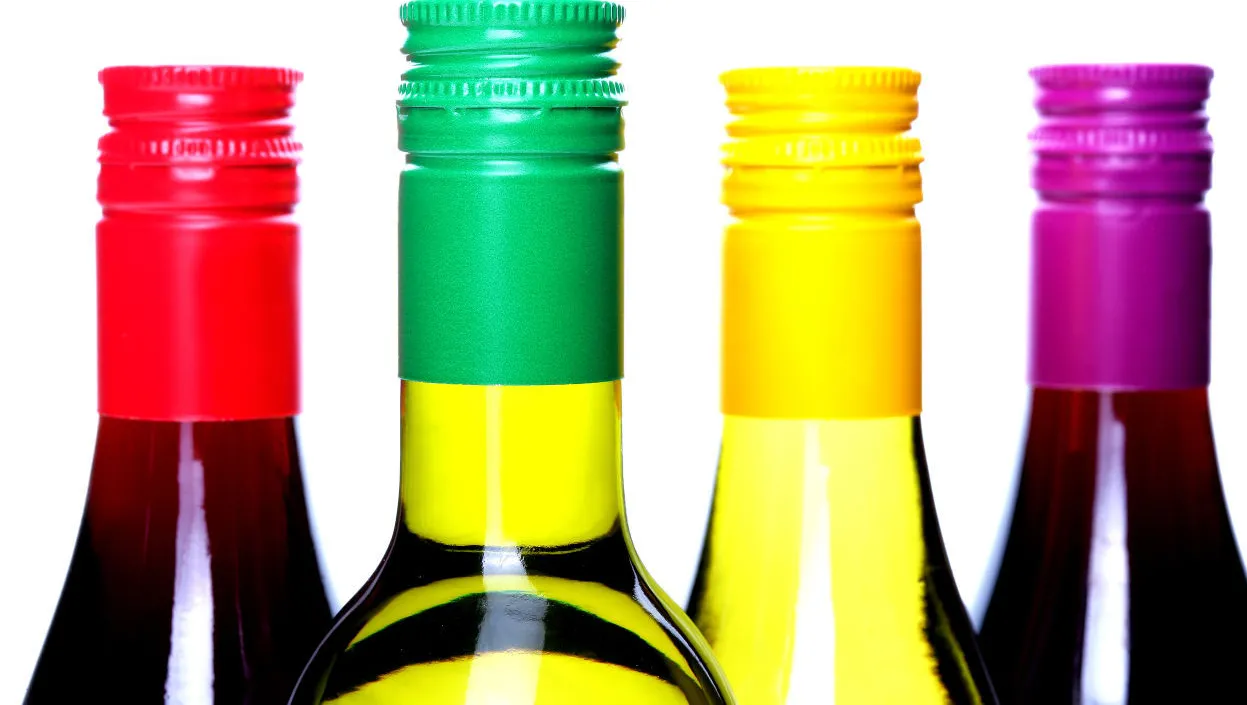
One of the young Presidents I mentor – Chandler, 31 years old – took me to Clos, a wine shop in North Park. The entire store was stocked with bright, artistic labels on clear glass liter bottles with twist-off caps. The place was buzzing. I asked the owner how business was. “Fantastic,” he said. “Growing every day.” In today’s wine market – where even Napa Valley is sitting on barrels of unsold inventory – he was the only person I’d heard say that anywhere.
I tasted a few. Light, fresh, approachable. Much like what we were going for in taste.
Then it hit me.
We got the taste right. We got the package wrong.
Wines out of France, Italy, and Spain – clear liter bottles, twist-off caps, vibrant labels – had been quietly capturing the modern consumer while we stayed anchored to California tradition: dark glass, cork closures, 750ml. We missed that the format itself was part of the message. Approachable. Unpretentious. Designed for how people actually drink today.
Our values were right. Our frame was wrong.
I cancelled our 2026 grape bottling and harvest order. In the wine business, that’s not a small thing – buyers for California juice are scarce right now. But continuing down the wrong path would have been worse. The business is now in a difficult pivot, and I own that completely.
What sits with me is the irony. I’ve built a career on the argument that disruption is inevitable – that incumbents who can’t see change coming deserve to be displaced. I’ve founded companies specifically to reinvent stale categories. And then, quietly, I became the incumbent. I had the blinders on. I was the one who needed to be replaced.
Staying sharp about change requires the humility to find your own blind spots – especially when disruption is supposedly your whole identity. Spotting them is hard. Admitting them is harder. Acting on them is hardest of all.
What I know now more concretely than before: few of us who love the rush of building something new can nail today’s consumer on our own. The answer isn’t to pretend otherwise. It’s to close the gap deliberately – to bring younger talent into leadership roles, to build an ecosystem around you of people who see things you’ve stopped seeing.
A friend who built a billion-dollar company told me something after a recent Student Shark Tank competition. Out of ten student pitches, he said, he only fully understood three of them. Then he paused and added: “My board is too old. I need younger people.”
That’s it. That’s the whole thing.
Those of us who still love the thrill of building something new need people around us who don’t have to work to see what we’ve stopped noticing.